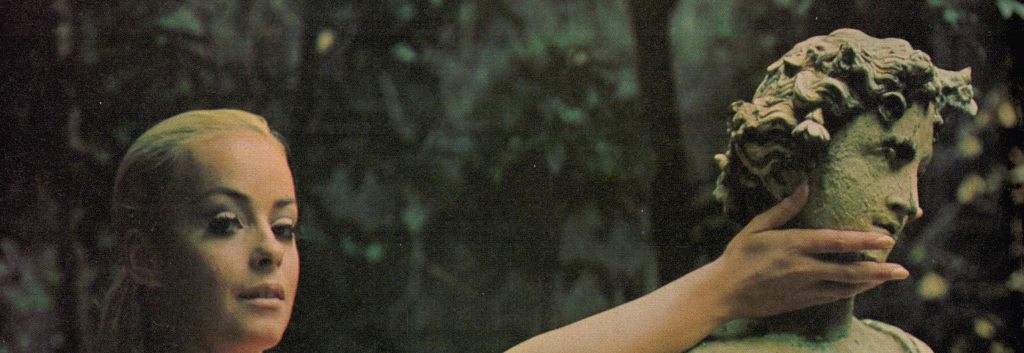

How the contemporary music press reviewed “Pornography” at the time
The Cure | Pornography | (Fiction) 1982 | IT WON’T improve your social life, reveal any reasons or relieve you of your load; and The Cure’s name takes on an ironic tinge in that this music provides an antidote to nothing much at all, though it may clear out your system.
But what ‘Pornography’ does show is that The Cure, taken in one gulp, with no questions asked, do have a certain flair for identifying symptoms.
Presumably, this record wins its title because it portrays and parades its currency of exposed futility and utterly naked fear with so few distractions or adornments, and so little sense of shame. It really piles it on.
The Cure have applied themselves to catching a related collection of the very purest feelings endemic to their age, and holding them right on the spot in their intangible, unspecified, unmanageable and most unpleasantly real form. Here is an album written from the knife-edge of despair, and as a piece of craftsmanship in expressive sound, it is a very big, very harrowing achievement.
Each track varies only in melody and tempo from the others, the beat frequently pinned unnervingly near that of the heart. The drums, guitars, voice and production style are pressed scrupulously together in a murderous unity of surging textured mood. There are no subjects here which can be properly defined. Instead the accuracy is aimed at absolutely nebulous fears and confusions as felt rather than as observed. So it makes deeply subjective listening, although through tone and seeping snatches of words, the nature of the prevailing wind can scarcely be denied.

The Cure | Pornography | (Fiction) 1982
There a several reasons we are better off not picking about at particular parts of the whole. For one thing, too close a look at the poetic permutations to hand on the lyric sheet, taken with the occasionally irksome whine of Robert Smith, and he and his easily-stereotyped friends can quickly become the tiresomely self-analytical young ‘sensitives’ I’ve always feared The Cure might be. For those ambitious for profundity, vacuity is but a clumsy couplet away.
However, I feel that ‘Pornography’ was not designed to be objectified or probed, but taken en bloc as a very dense wash of emotional colour, portraying one soul on a leash, fighting back the panic in the dark. And, as such, it really works. The confessional returns, fragile, frightened, horribly forlorn, and very finely drawn. A killer of its kind. Don’t have too much fun, now. (NME, 08/05/82)

PORNOGRAPHY: explicit description of sexual activities designed to stimulate exotic feelings. Title accepted, but ‘Pornography’, The Cure’s 5th album, certainly isn’t erotic, – stimulating maybe.
Its cold lyrics and stark music has been haphazardly arranged leaving a shroud of emptiness to the otherwise atmospheric sounds they create. Surprising and disappointing for such an experienced band.
The Cure don’t aim for ultra commerciality – they prefer not to compromise and make music they like instead. ‘pornography’ therefore unsurprisingly doesn’t contain hardly a hit single.
“A Strange Day” and “A Hanging Garden” appear the most memorable sounds. In their ways reminiscent of the Banshees style by whom singer/songwriter Robert Smith, due to early connections, has obviously been influenced. But even these two songs lack that magical ingredient instigated by a good producer.
After six years together it is now time for the group to find outside influences because they are running out of time and space. Being throttled by lack of inspiration and by that original idea – has made their music sound all too predictable. But still worth a listen. *** (Record Mirror, 01/05/82)


Leave a Reply