Category: Albums
-
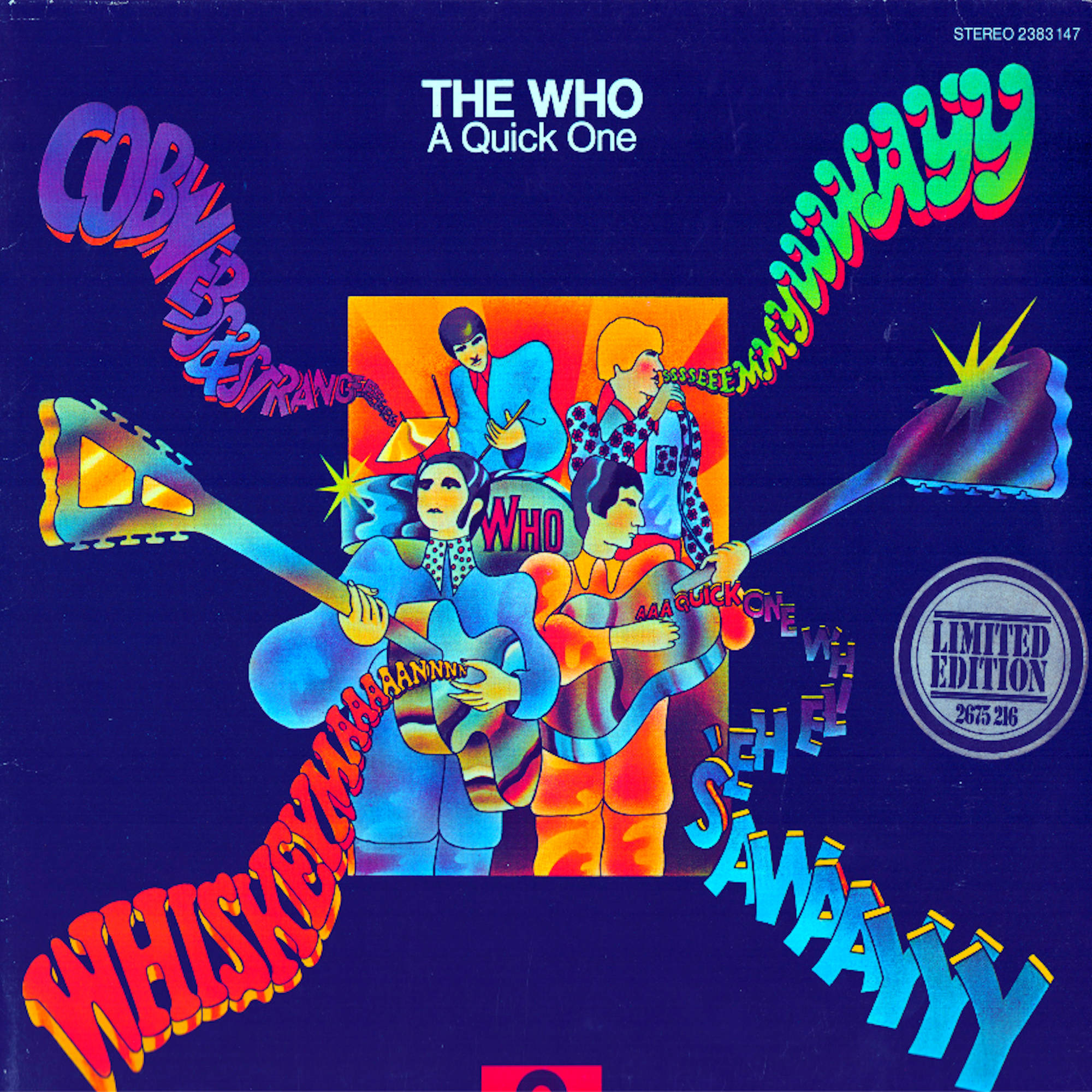
Jon Landau’s 1967 Crawdaddy! review praises The Who’s Happy Jack as a restrained yet inventive evolution from My Generation. He highlights the band’s precise interplay, humour, directness and ability to unite comedy with social observation. Individual songs receive detailed attention,…
-
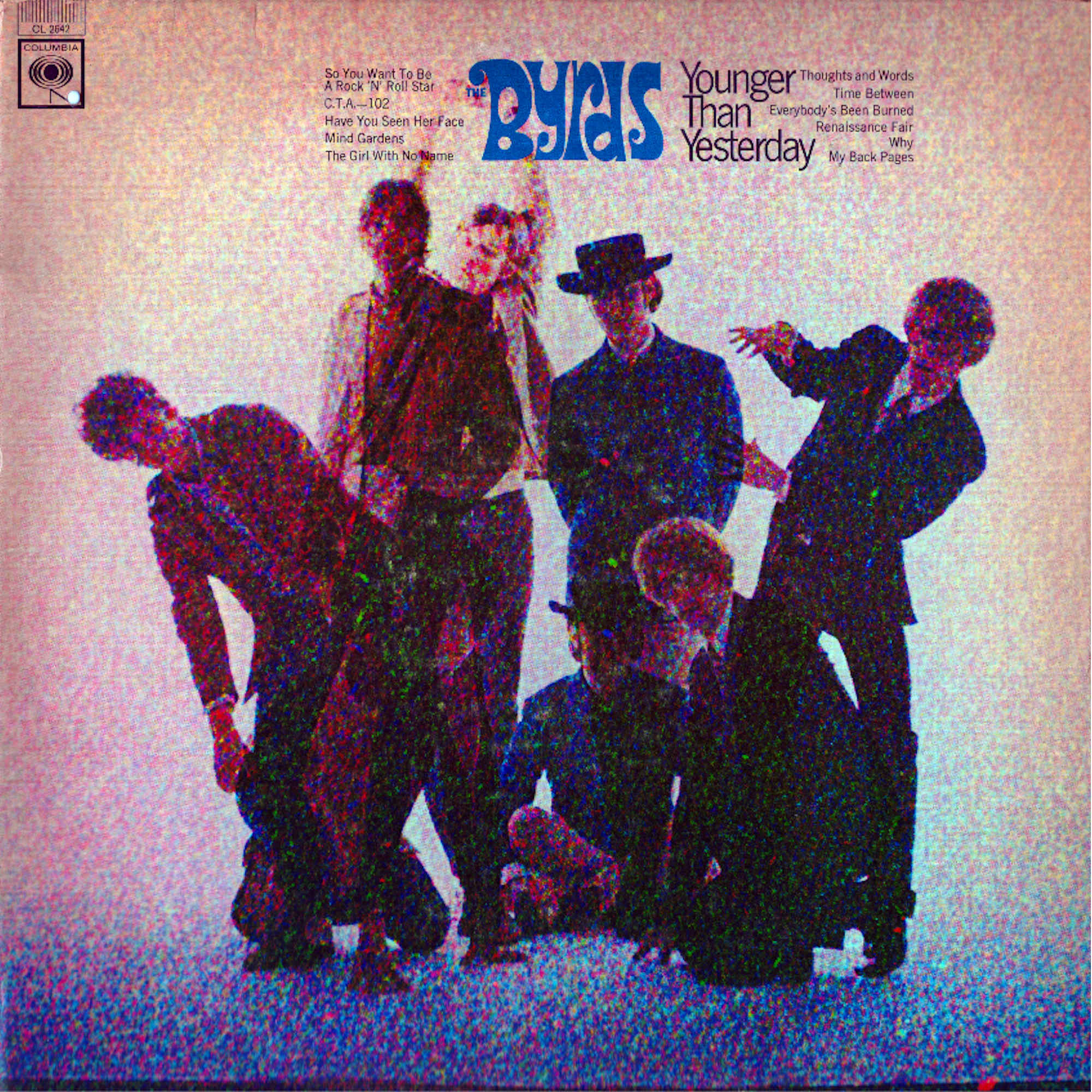
Sandy Pearlman’s 1967 Crawdaddy! essay argues that The Byrds’ defining strength is formal consistency: steady, cyclical rhythms transform their eclectic mixture of folk-rock, psychedelia, science fiction, country, raga and Dylan covers into a coherent, familiar sound. He highlights “Thoughts and…
-
Paul Williams argues that The Byrds’ Greatest Hits transcends ordinary compilation albums, transforming familiar songs through imaginative sequencing and context. By revisiting their music, listeners experience it anew, discovering fresh emotional and structural meanings in transitions, silences and repetition. The…

-
Sandy Pearlman’s 1968 Crawdaddy! essay praises Love’s Forever Changes as an exceptionally beautiful yet unconventional masterpiece. He argues that the band transforms familiar pop, rock and Muzak elements through theatricality, stylistic excess and deliberate incongruity. Its intricate arrangements, distinctive vocals…
-
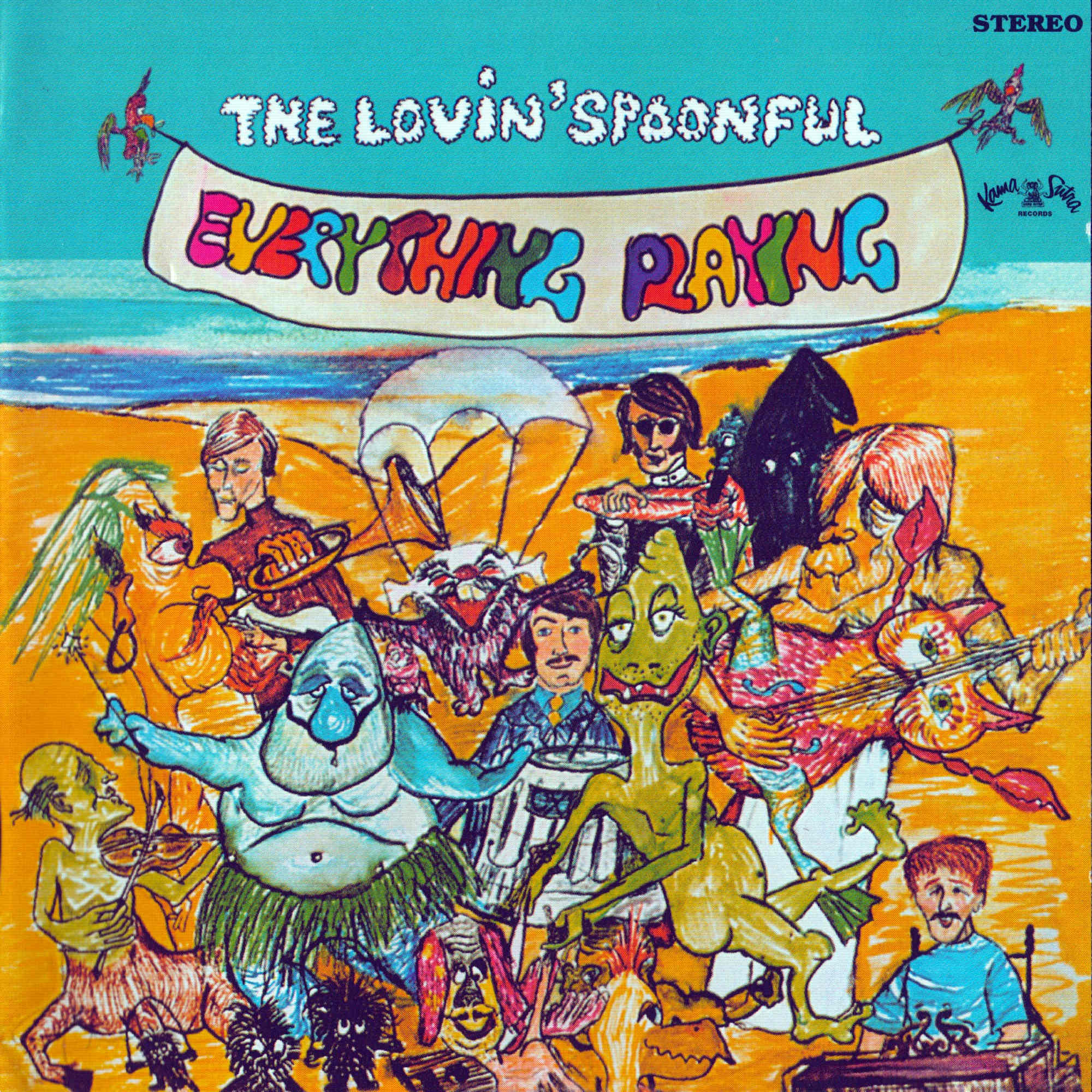
A 1968 Crawdaddy! review assesses The Lovin’ Spoonful’s Everything Playing track by track, praising its inventive arrangements, vocal harmonies, stylistic variety and growing artistic ambition. While orchestration occasionally feels sterile or derivative, the album blends rock, country, blues, folk and…
-
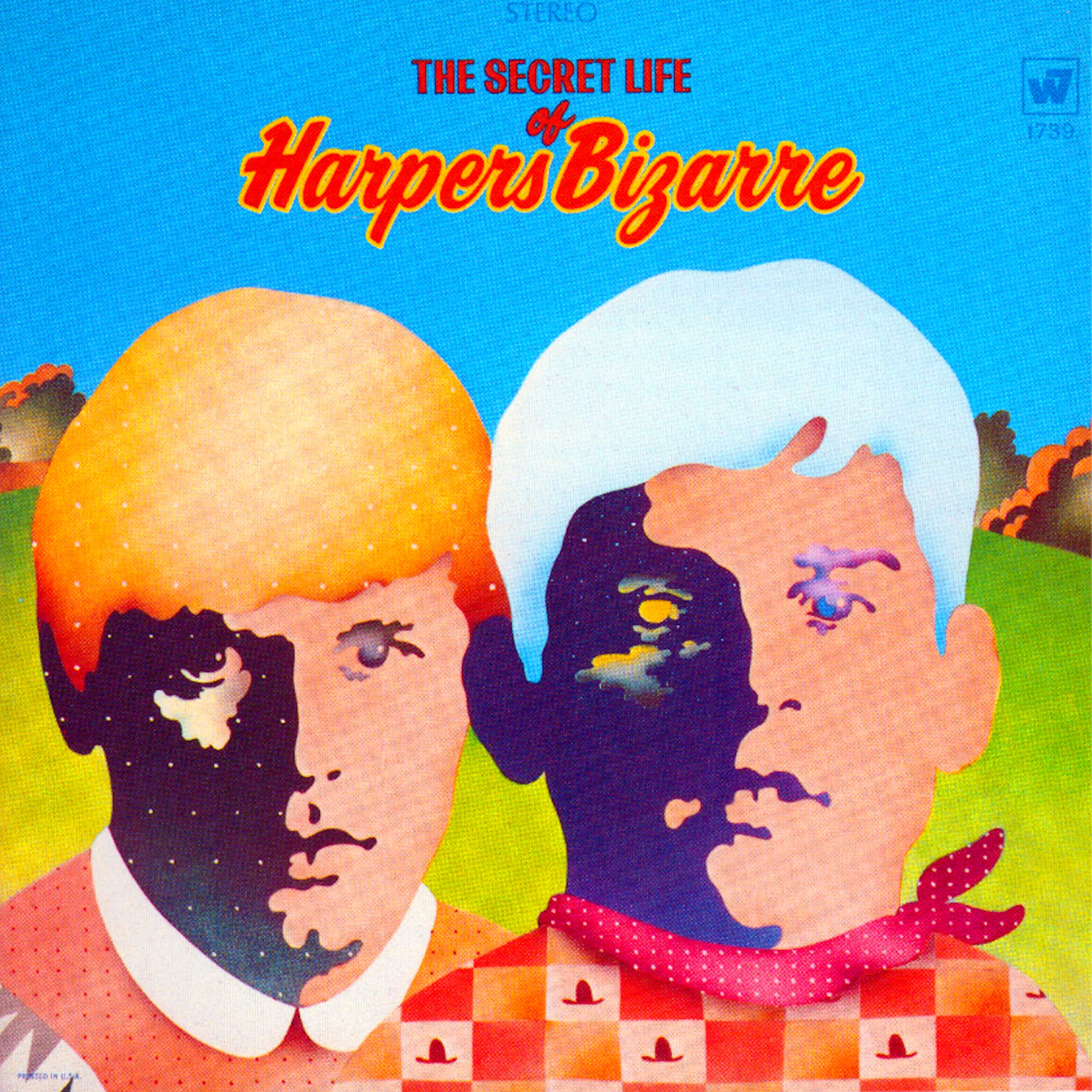
Harpers Bizarre’s 1968 album The Secret Life Of explores escapism, nostalgia and private daydreams through inventive musical vignettes. Blending rock and easy-listening appeal, the concept record features songs including “The Drifter”, “Battle of New Orleans”, “Sentimental Journey” and “I’ll Build…
-
In 1967, 20-year-old Dayton musician Mike Losekamp joined The Cyrkle after replacing Earl Pickens, despite feeling torn about leaving The Mark V. Following a difficult decision, he embraced the opportunity, bringing piano, organ, songwriting and vocals to the band. “The…

-
Frank Kofsky finds Eric Burdon and the Animals competent but artistically limited, arguing that their blues-based style imitates rather than develops its Black American sources. Although tracks such as “When I Was Young” and “Don’t Bring Me Down” generate energy,…

-
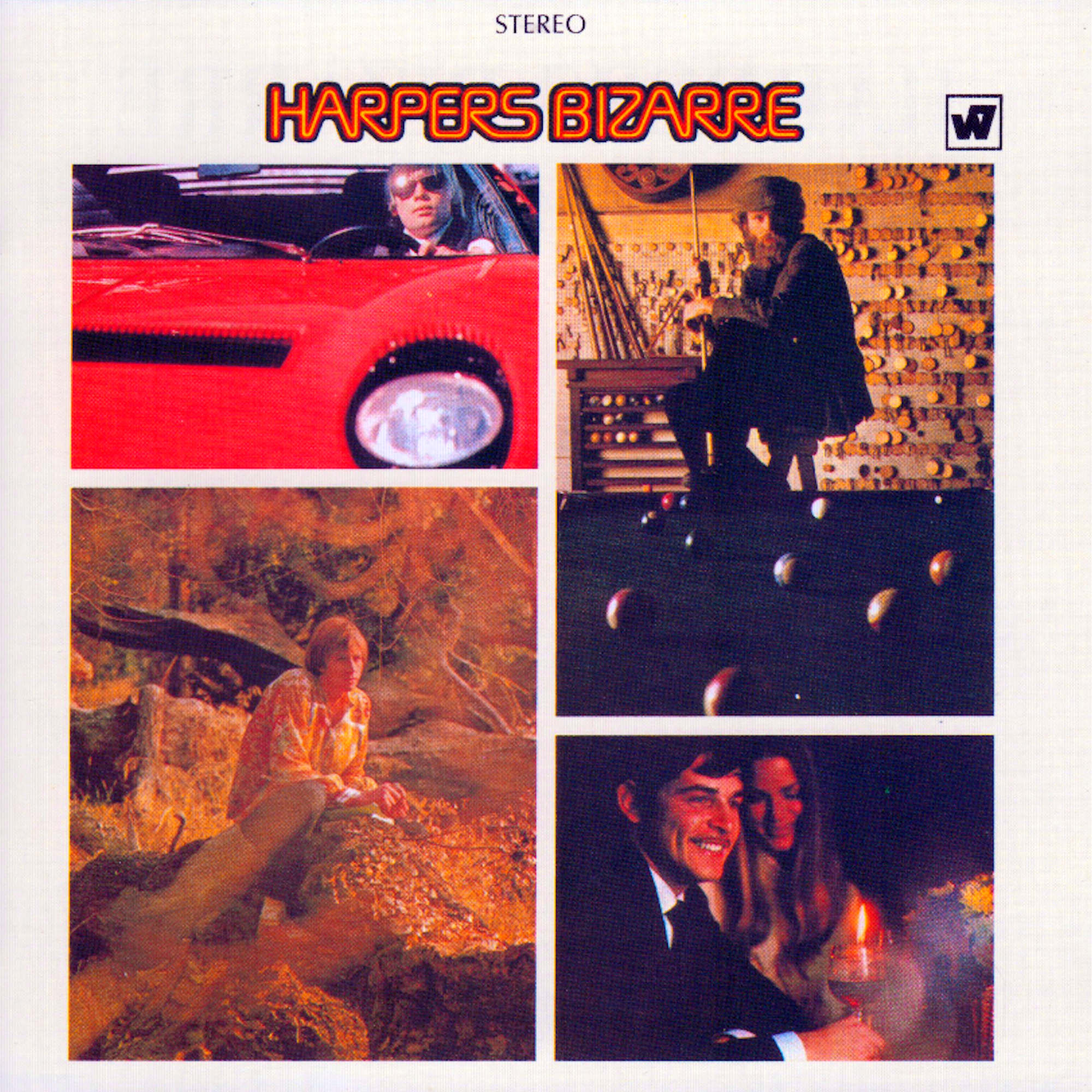
Harpers Bizarre’s 1969 album Harpers Bizarre 4 marked the original group’s final release, favouring a leaner, more intimate sound over earlier eccentricity. Featuring band compositions, including “Soft Soundin’ Music”, and eclectic covers such as “Blackbird”, “Knock on Wood” and “Hard…
-
A 1990 review assesses Forgotten Jewels’ unofficial Leviathan LP, criticising its poor research, presentation and recording quality while praising the band’s distinctive progressive-psychedelic music. Featuring tracks from singles, BBC sessions and unreleased acetates, the album offers a valuable, if flawed,…
